
What are humanoid robots actually for on the battlefield?
Despite their cinematic, sci-fi allure, humanoid robots could potentially address real manpower and survivability problems, a former Turkish general argues.
Despite their cinematic, sci-fi allure, humanoid robots could potentially address real manpower and survivability problems, a former Turkish general argues.
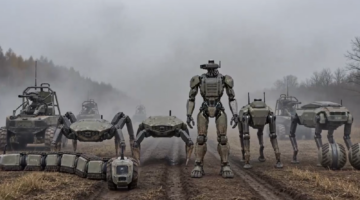
A splashy promo video published by Mykhailo Fedorov envisions humanoid robots in combat, but not everyone is convinced it's the right play.

A commercial prototype in a sandbox is different from deploying AI across classified networks.
Middle East Bureau Chief Agnes Helou reports from the sidelines of a recent large multinational exercise hosted by Turkey.
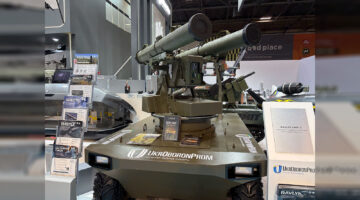
Ukrainian firms, especially, showed off combat-proven unmanned ground vehicles, but at least one experts isn't convinced of a wider use-case, yet.

Middle East Bureau Chief Agnes Helou shares what she learned at Turkey's SAHA defense expo.
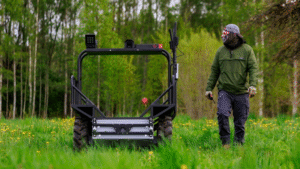
In videos viewed by Breaking Defense, the Simba UGV is seen completing night missions even after losing a wheel and being struck by an FPV.
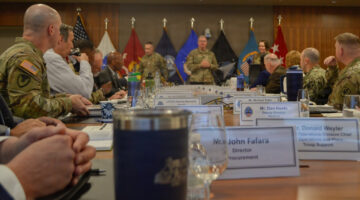
Supply chains are only as strong as their weakest link, which has been repeatedly proven to be true over the last few years.


Part 1 of a narrative series illustrating how America’s armed forces might use technology to accomplish their most demanding missions.


Continued operation in RF environments — whether that's GPS denial or communications disruption — is the number one need for tactical unmanned aerial systems.
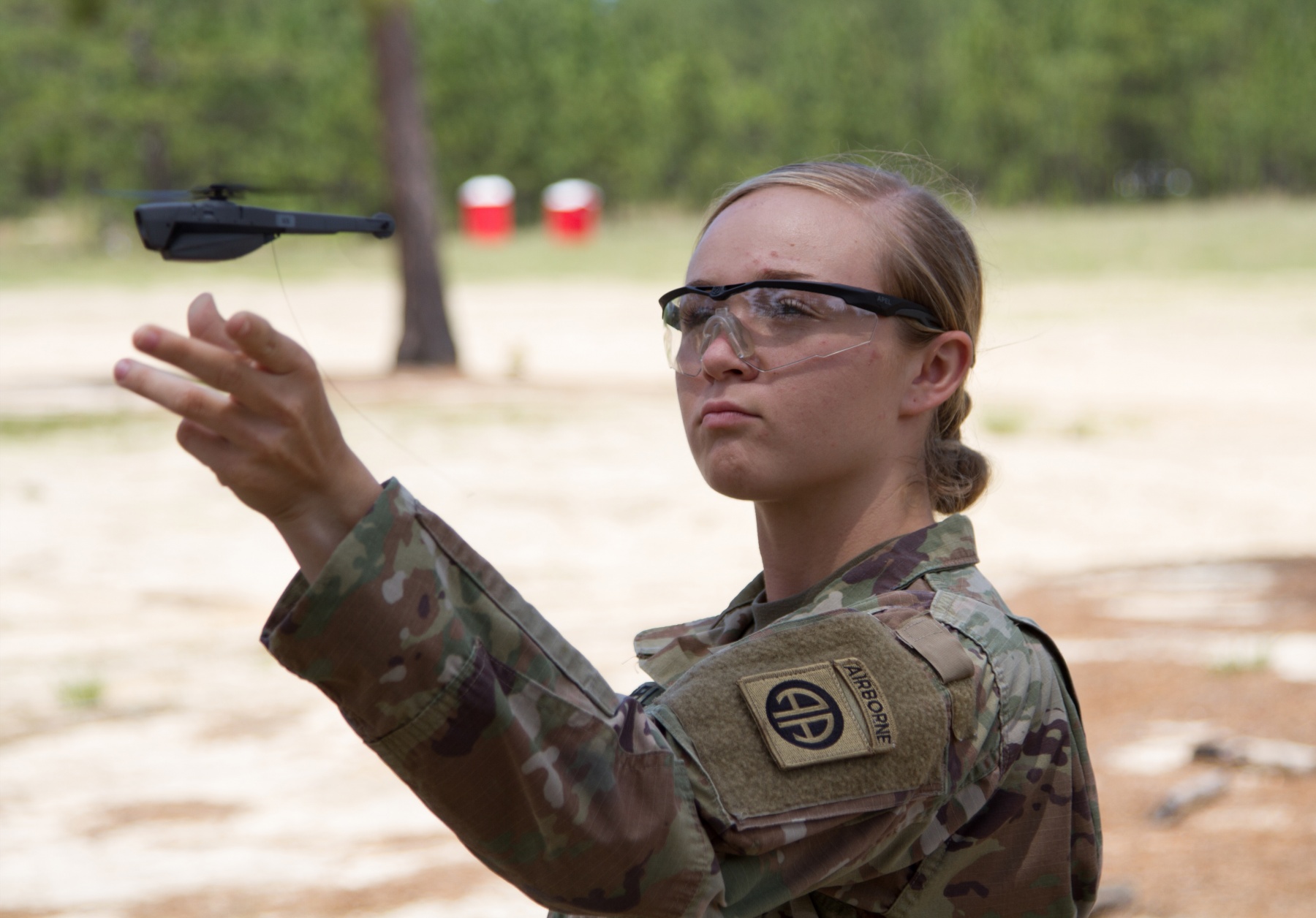
The combined company will offer a wide range of unmanned vehicles (mostly small ones) for air, land, sea, and underwater, said exec Roger Wells.
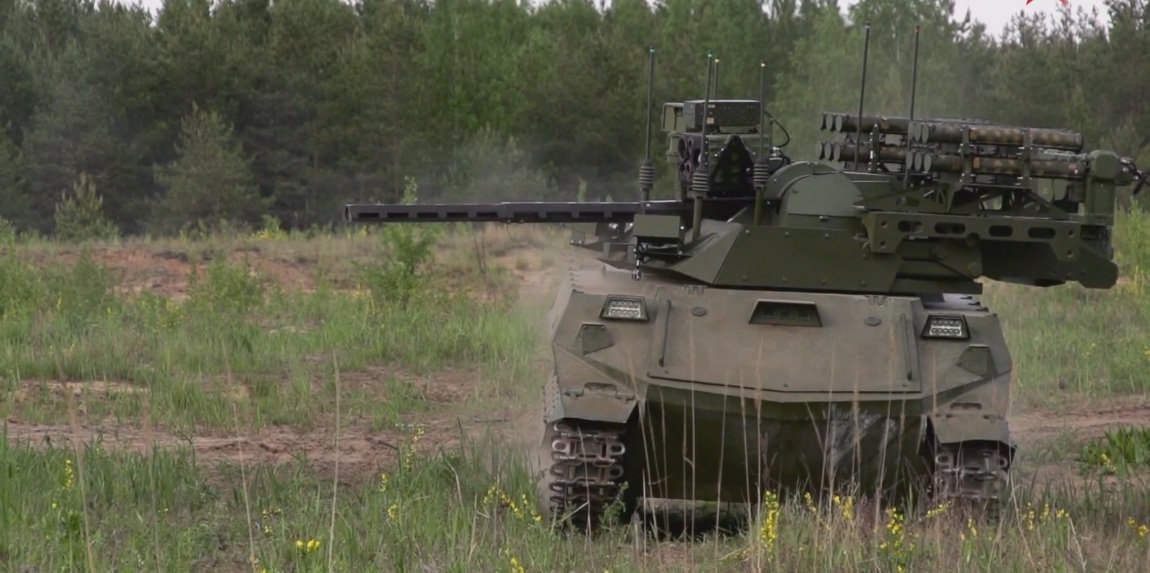
Russia has big ambitions for unmanned systems, said CNA scholar Sam Bendett, but it faces the same technical hurdles as the US — and shares the same concerns about human control.


"Being able to tell the commander you don't need to do something is actually a pretty powerful message, as well."

The pair of unmanned scout vehicles had enough AI smarts aboard to navigate cross-country, identify “enemy” forces, and open fire – but a human still decides whether to shoot.

Could mini-drones and robot trucks, coordinating via 5G, replace vulnerable manned convoys?

Experimental Robotic Combat Vehicles are outperforming Army expectations. But soldiers are finding plenty of quirks to fix.
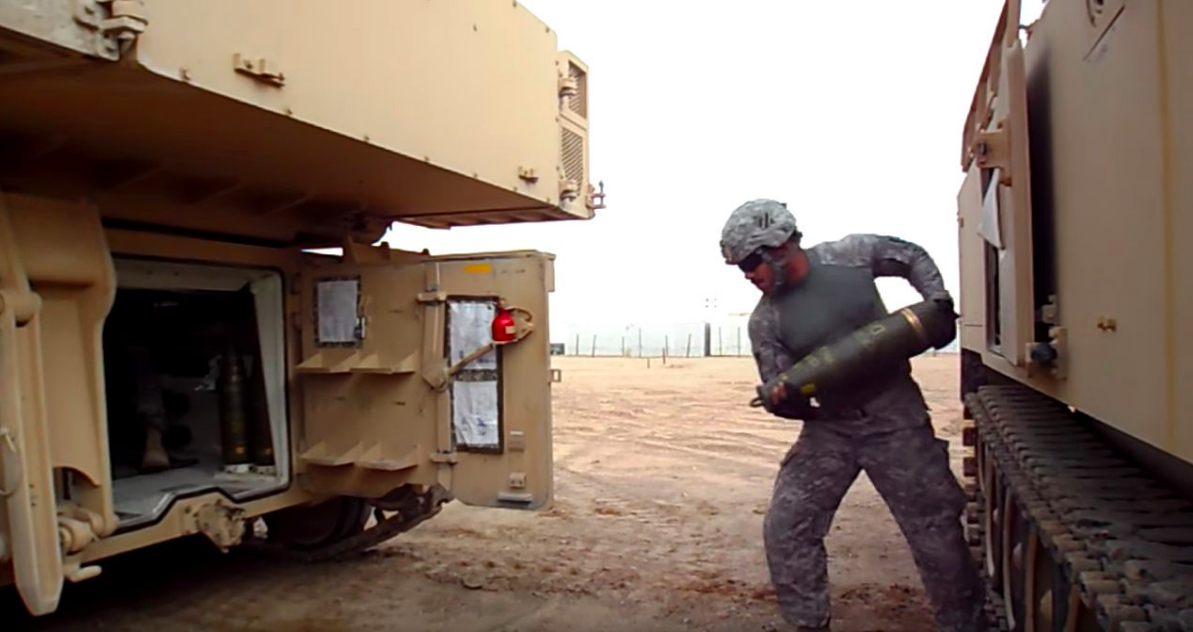
Six companies got $150,000 Field Artillery Autonomous Resupply contracts to study everything from exoskeletons that strengthen human ammo handlers to robots that might replace them.